
Photo editing
insights & guides
Tutorials, comparisons, and deep dives on image editing, compression, formats, and AI — written by the EditPhotosForFree team.
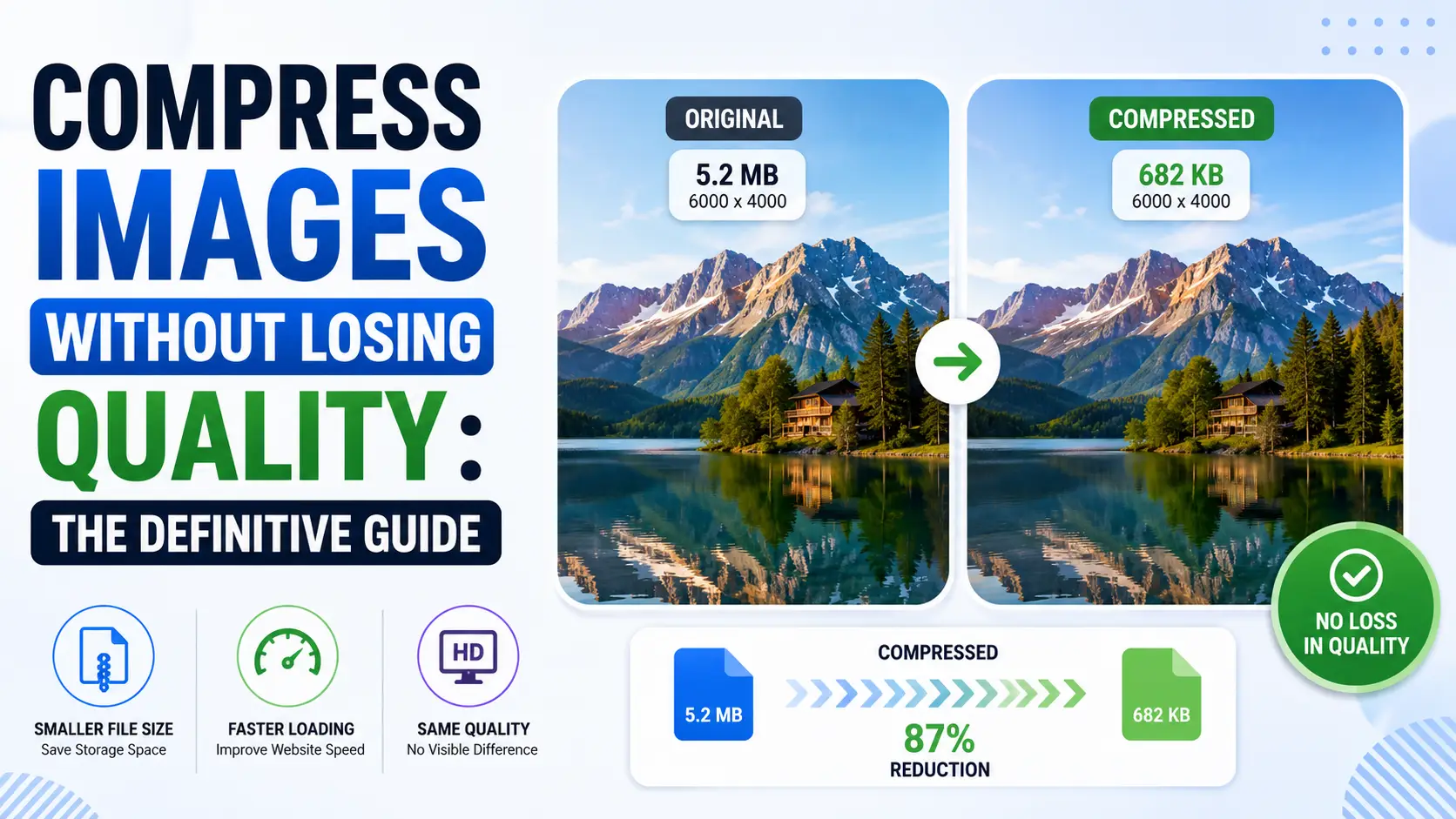
Compress Images Without Losing Quality: The Definitive Guide
Learn how image compression works, the difference between lossy and lossless, and how to shrink JPG/PNG/WebP files by 80% with no visible quality loss.
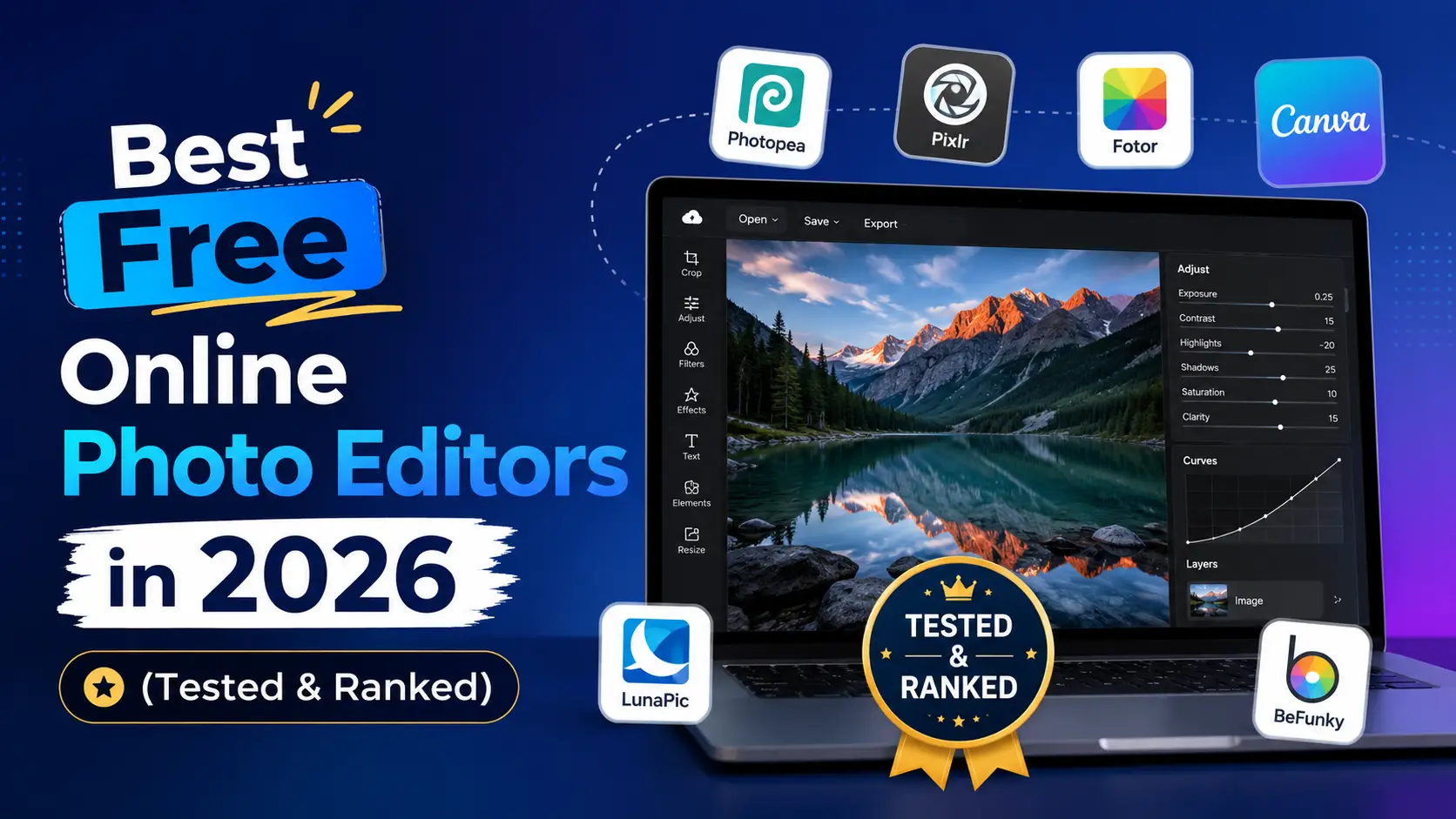
Best Free Online Photo Editors in 2026 (Tested & Ranked)
We tested 14 free online photo editors and ranked them by speed, features, privacy, and export quality. See which ones made the cut.
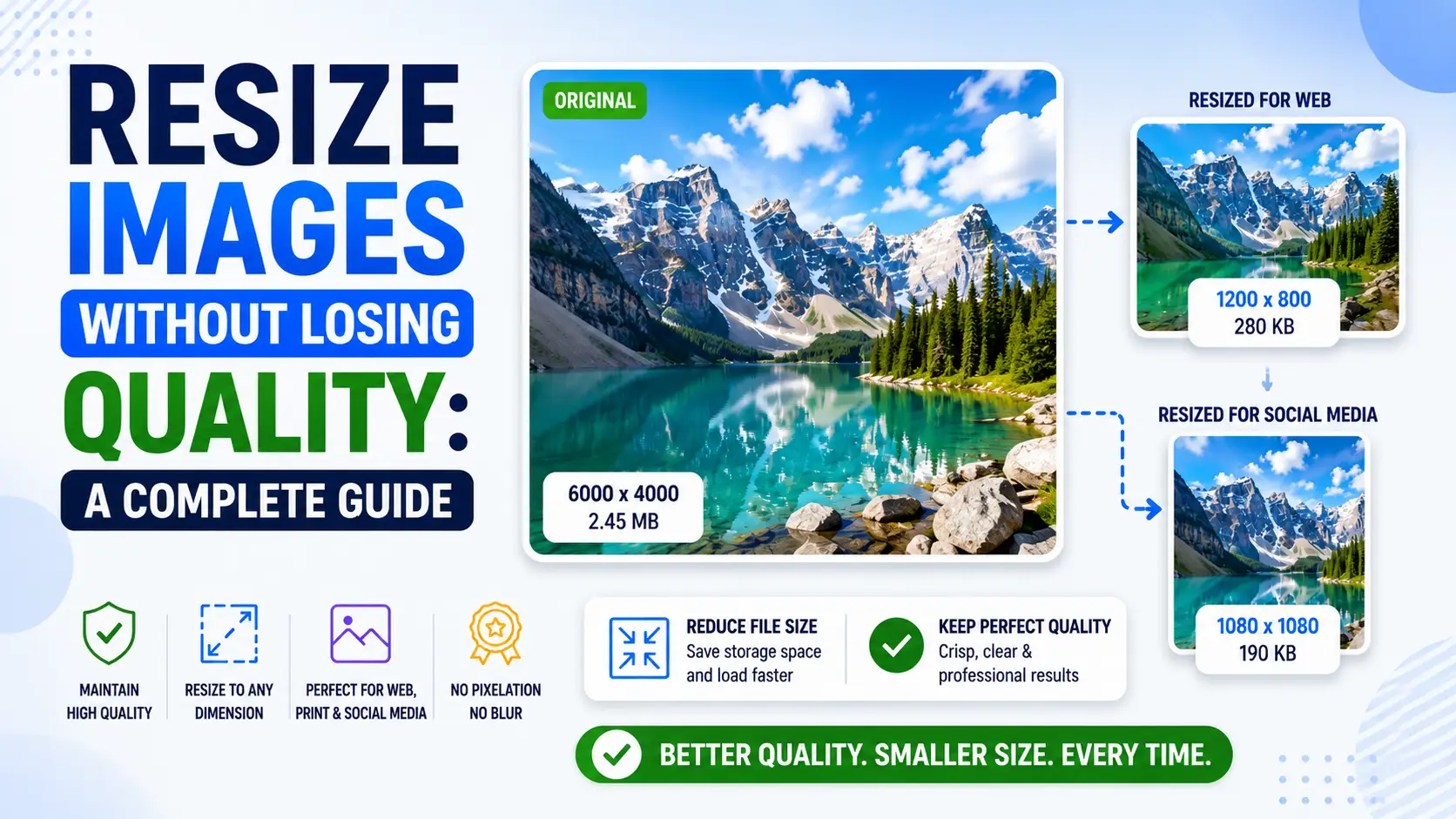
Resize Images Without Losing Quality: A Complete Guide
The right way to resize images for web, print, and social media. Learn about interpolation, aspect ratios, and the best formats for each platform.
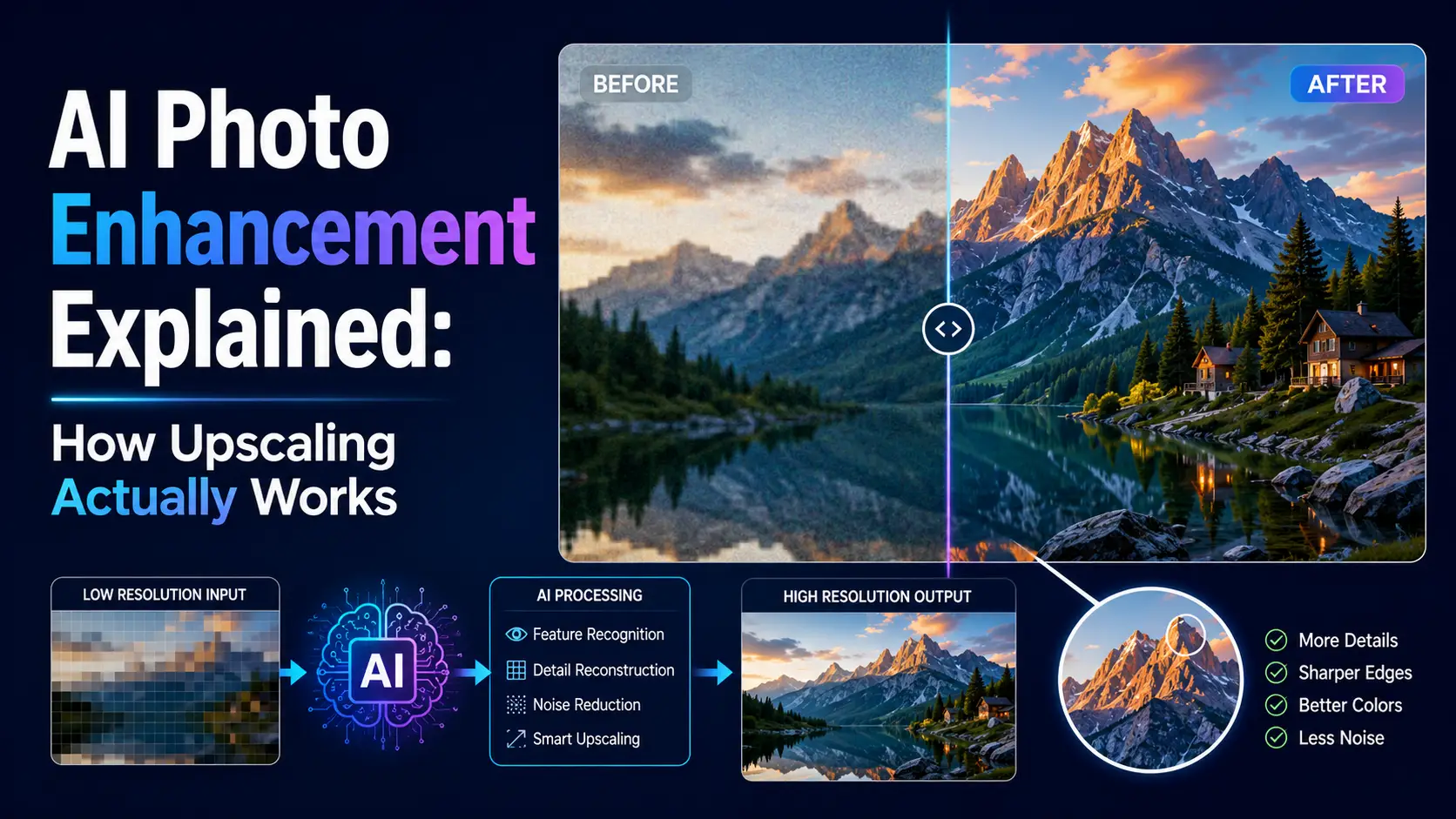
AI Photo Enhancement Explained: How Upscaling Actually Works
A deep dive into AI super-resolution — what it can and can't do, the underlying neural networks, and why your 4x upscaled photos look so much better.
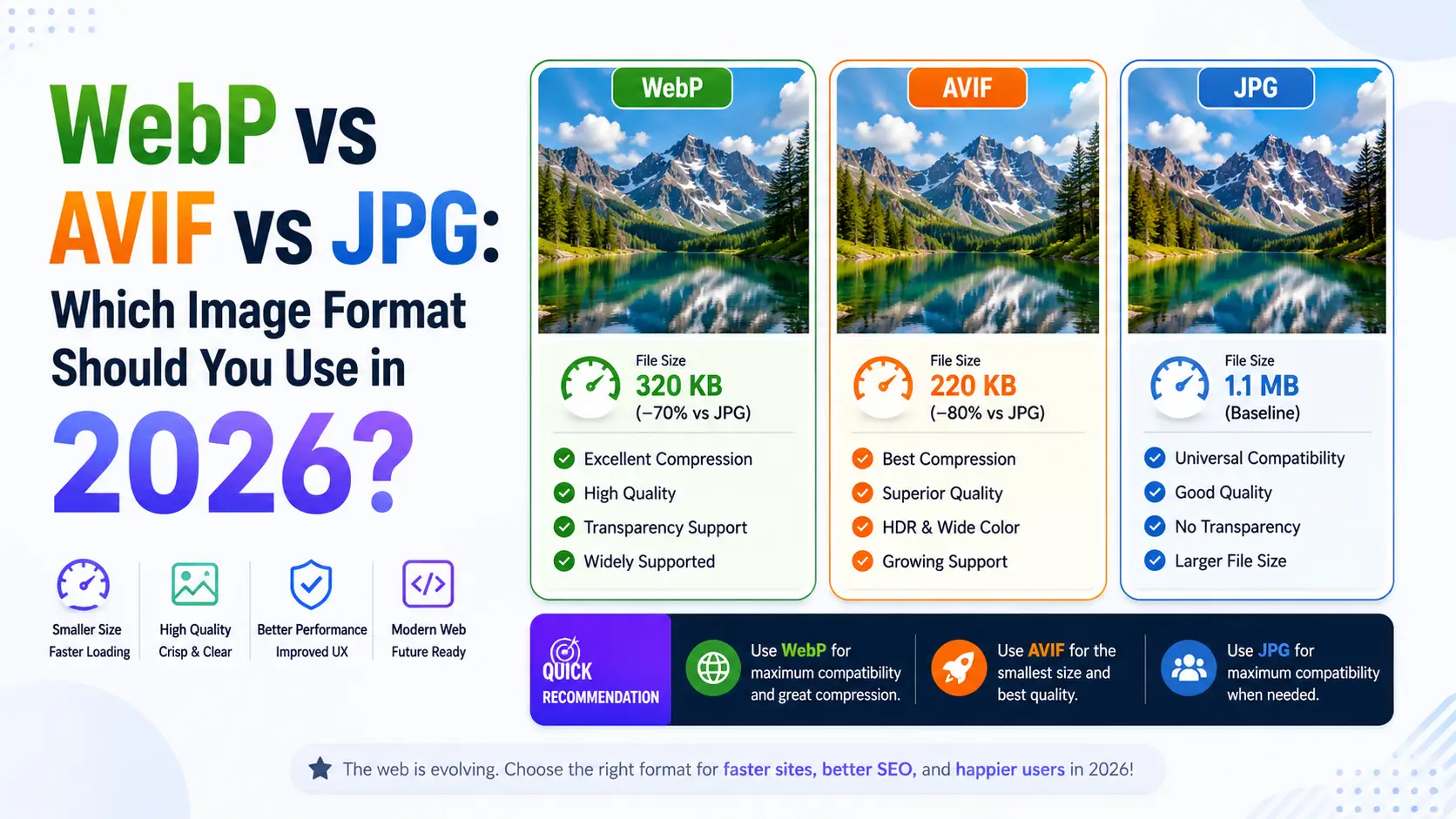
WebP vs AVIF vs JPG: Which Image Format Should You Use in 2026?
Modern image formats compared. We benchmark compression ratios, decode speed, browser support, and visual quality across 1,000 real-world images.
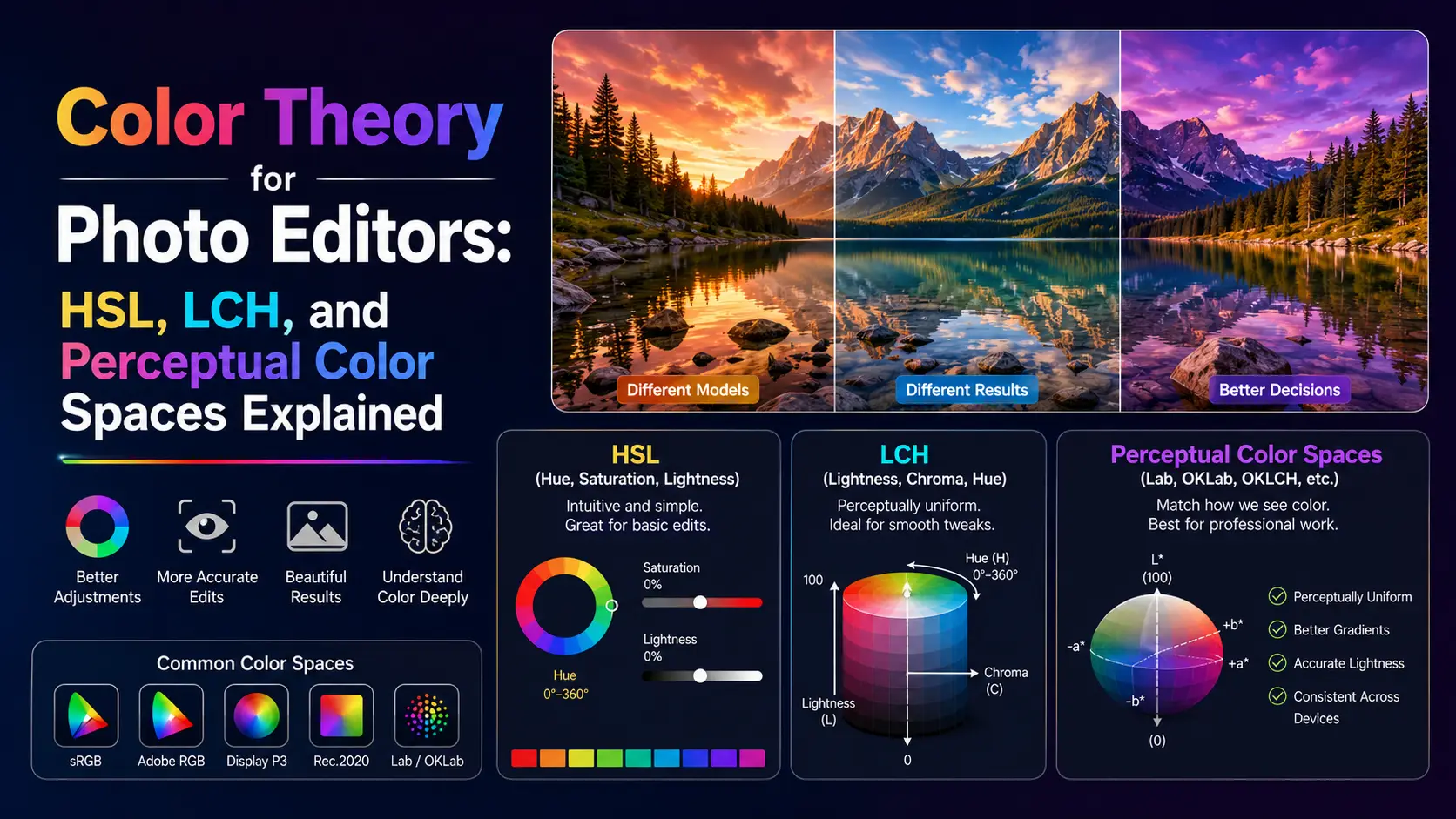
Color Theory for Photo Editors: HSL, LCH, and Perceptual Color Spaces Explained
A working photographer's guide to color spaces — why HSL lies to you, why LCH is finally gaining traction, and how perceptual uniformity changes your editing workflow.
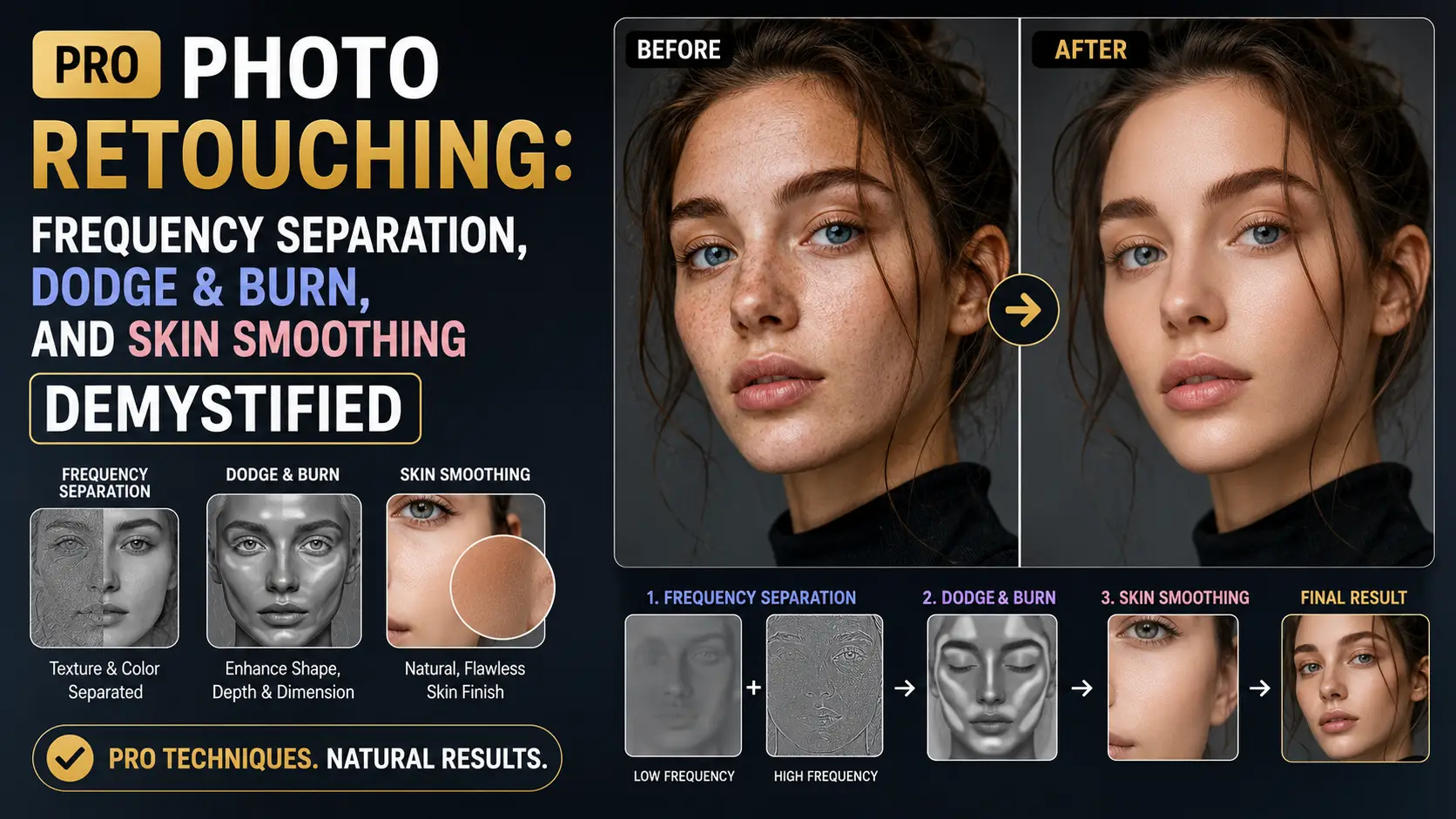
Pro Photo Retouching: Frequency Separation, Dodge & Burn, and Skin Smoothing Demystified
The three techniques behind every magazine cover. We break down the math, the brush work, and where AI retouching tools still fall short of manual work.
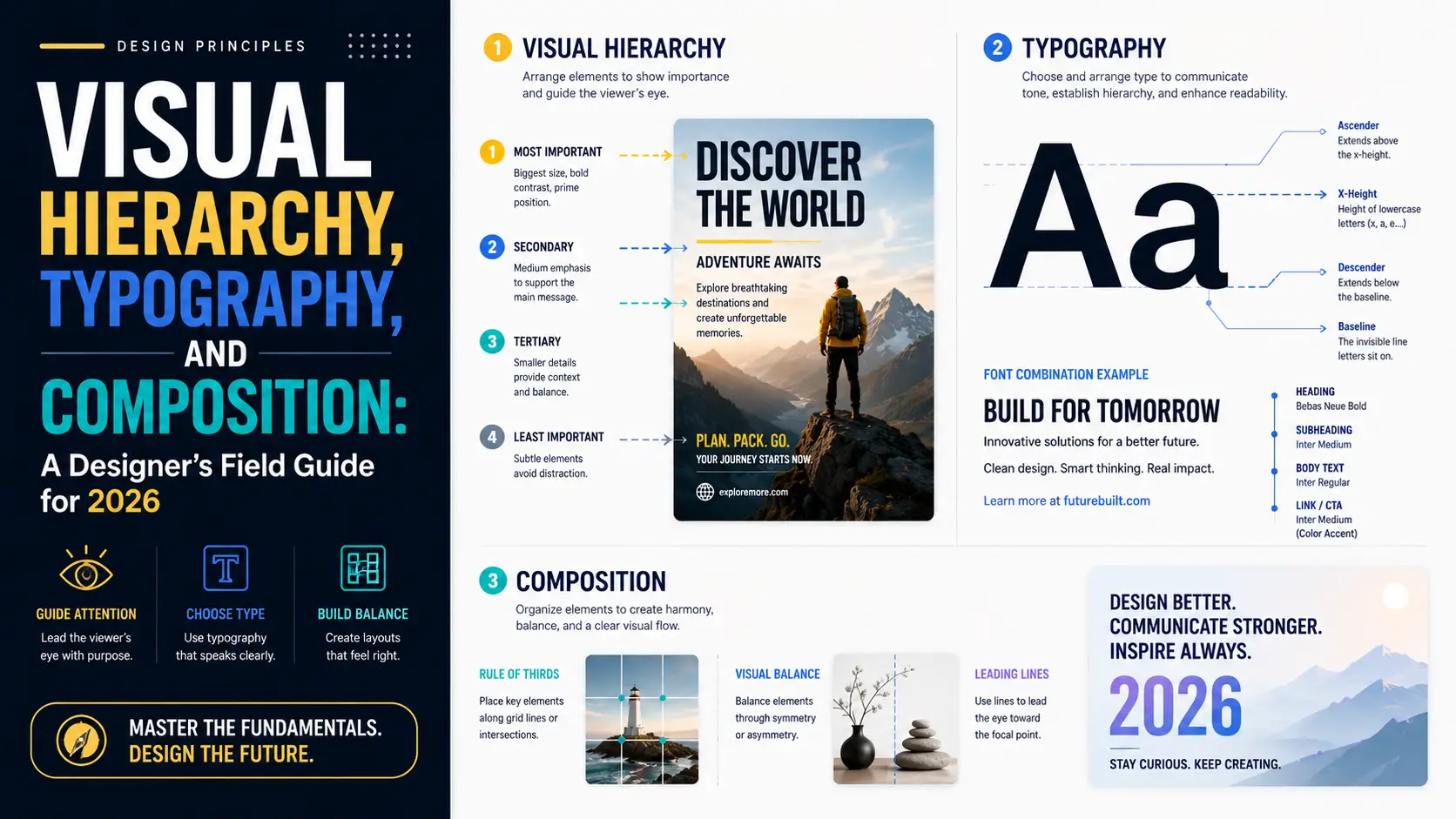
Visual Hierarchy, Typography, and Composition: A Designer's Field Guide for 2026
Why most layouts feel off, and the few principles that actually move the needle. From typographic scale and modular grids to the gestalt laws every designer should internalize.
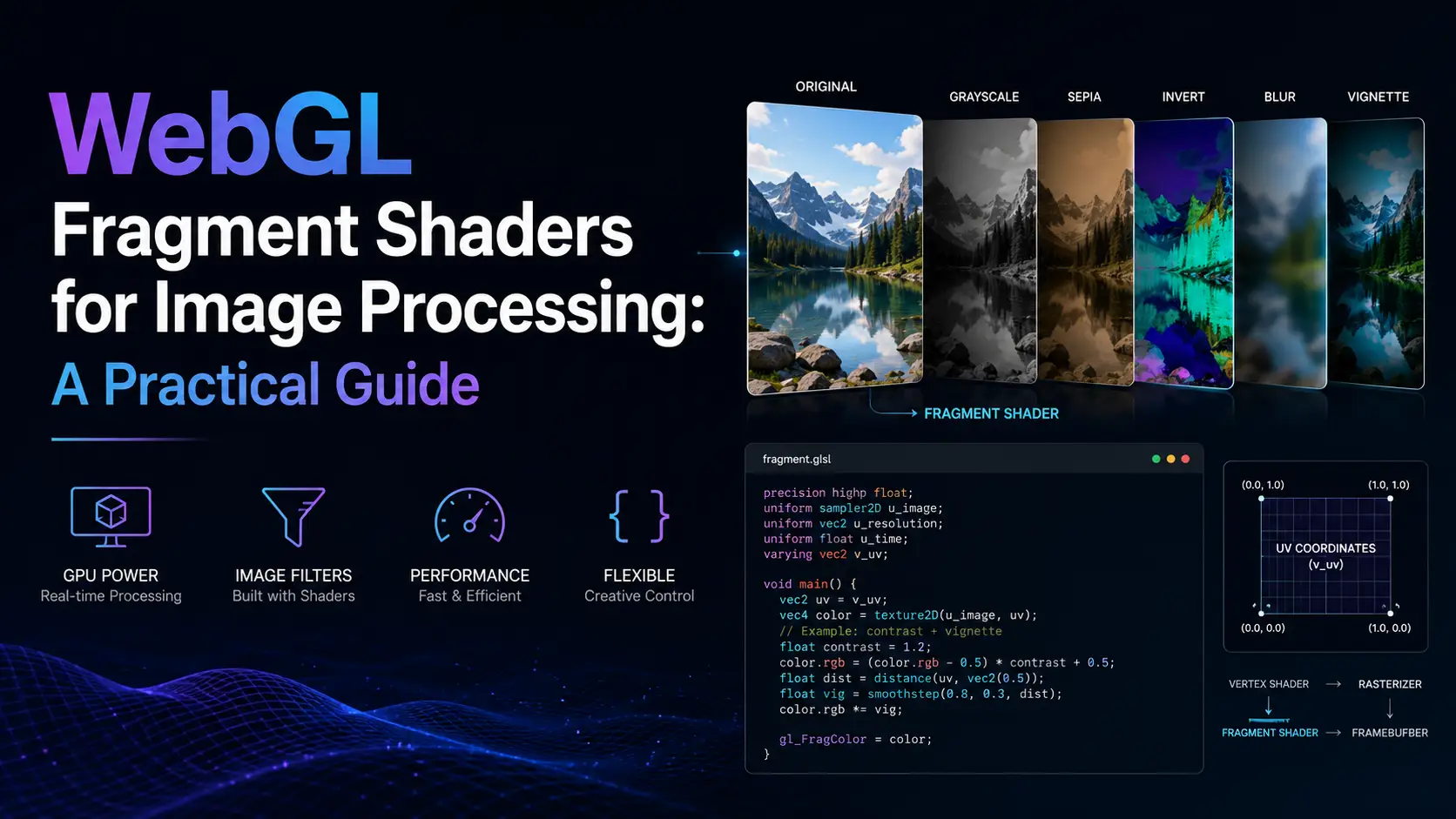
WebGL Fragment Shaders for Image Processing: A Practical Guide
Why the GPU can blur a 12MP image in 4ms while the CPU takes 850ms, and how to actually write the GLSL that does it. From convolution kernels to LUT-based color grading, with real benchmarks.
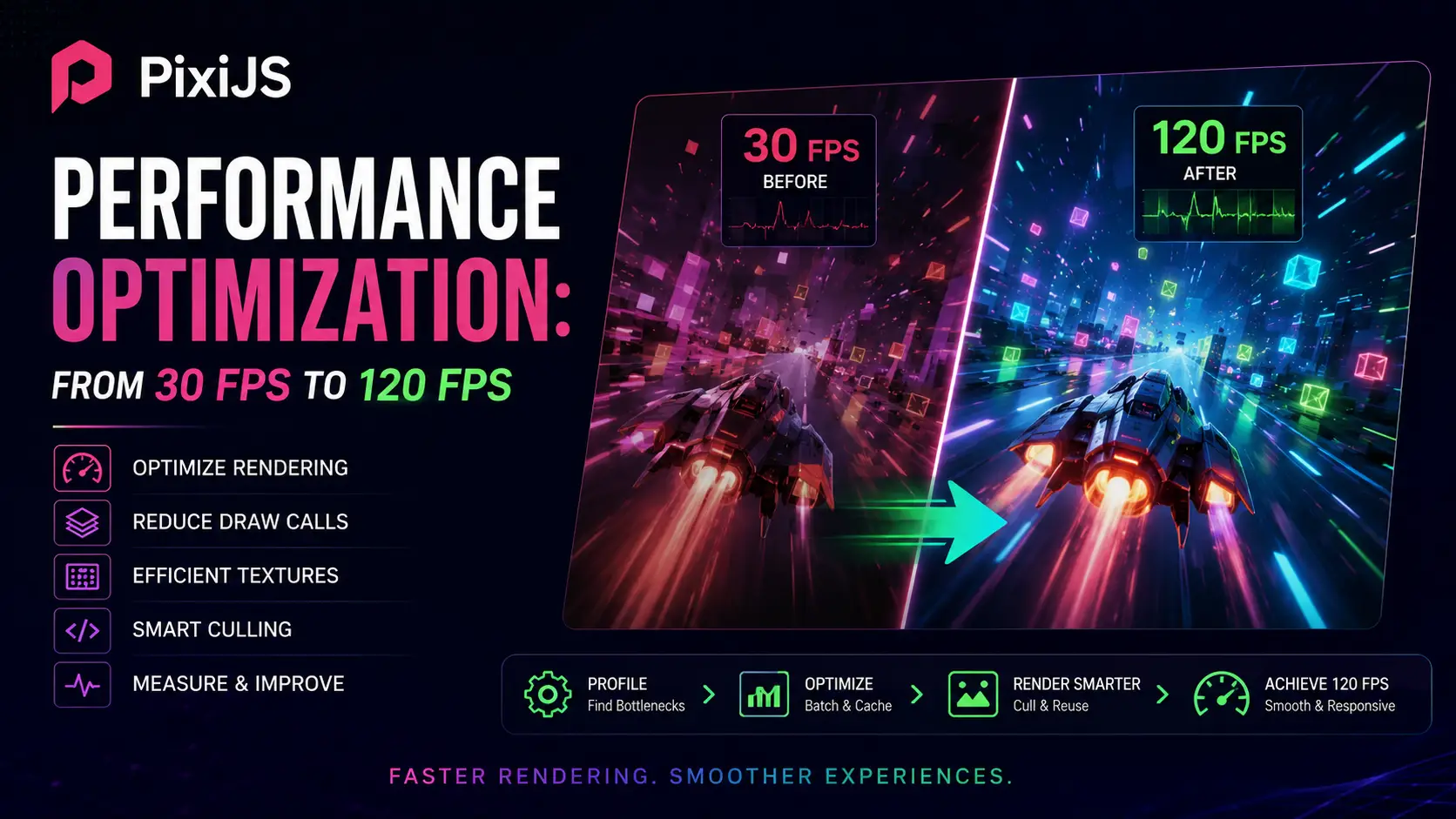
PixiJS Performance Optimization: From 30 FPS to 120 FPS
PixiJS is fast out of the box, but hitting a stable 120 FPS on a 10,000-sprite scene requires understanding what happens every frame. Batching, texture atlases, ParticleContainer, filter costs, and how to profile with Spector.js.
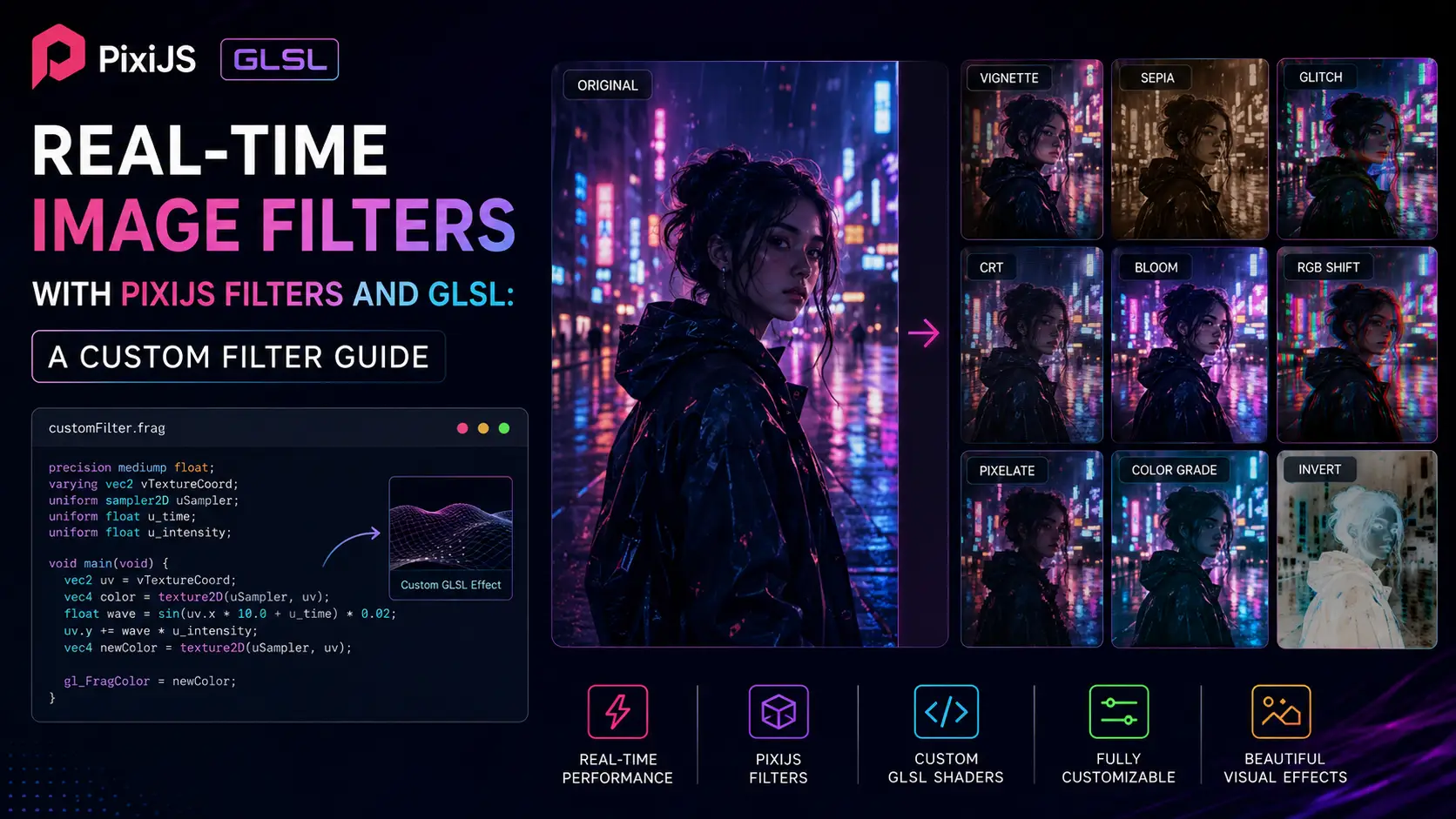
Real-Time Image Filters with PixiJS Filters and GLSL: A Custom Filter Guide
PixiJS filters are just GLSL fragment shaders with extra plumbing. We build a grayscale filter, a CRT effect, a displacement-based glitch, and a multi-pass bloom — and explain the render-target ping-pong along the way.
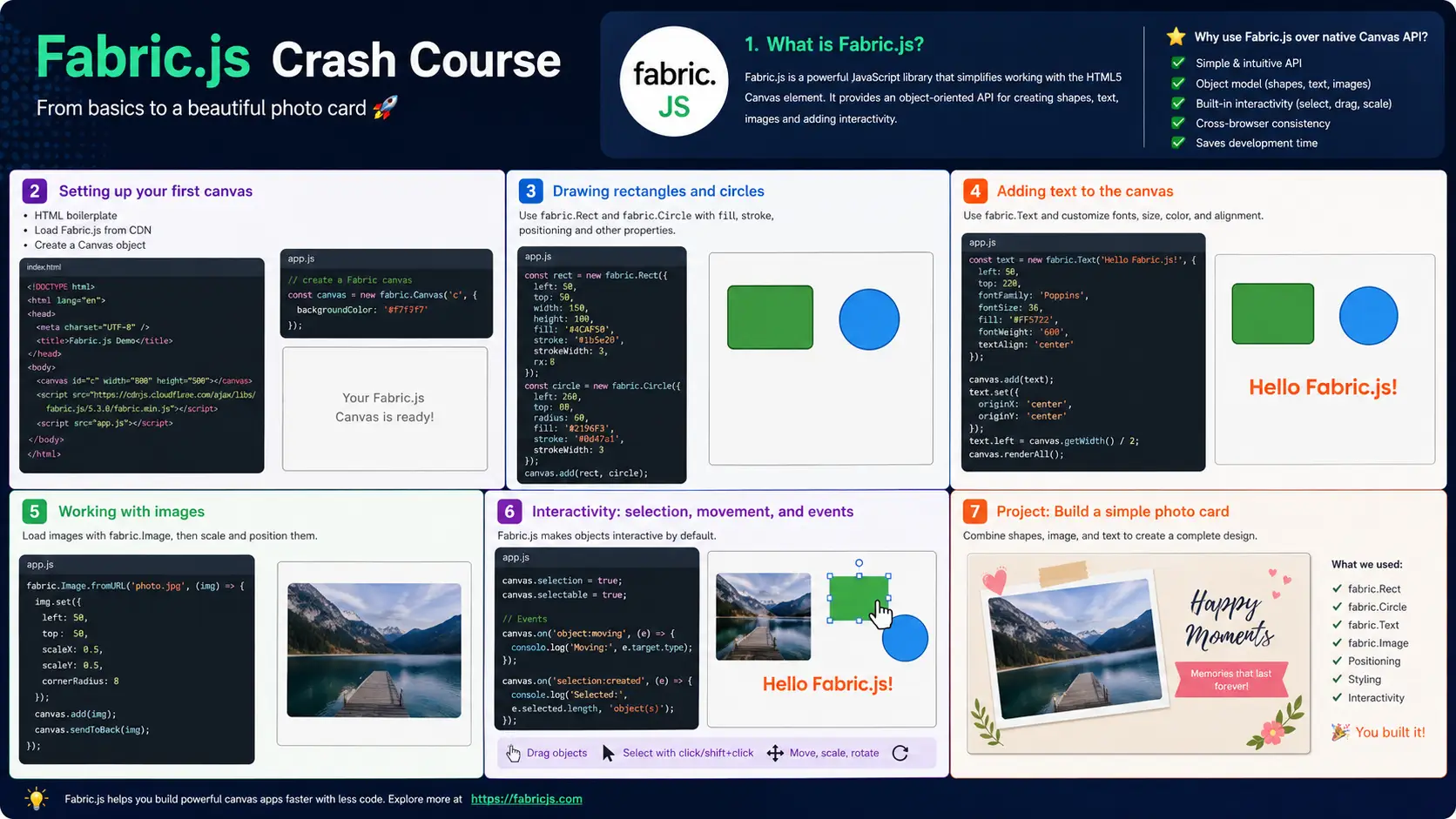
Fabric.js Tutorial: Getting Started with Canvas Graphics in JavaScript
Learn how to draw shapes, add text, and create interactive canvas graphics with Fabric.js — a powerful JavaScript library for HTML5 Canvas.
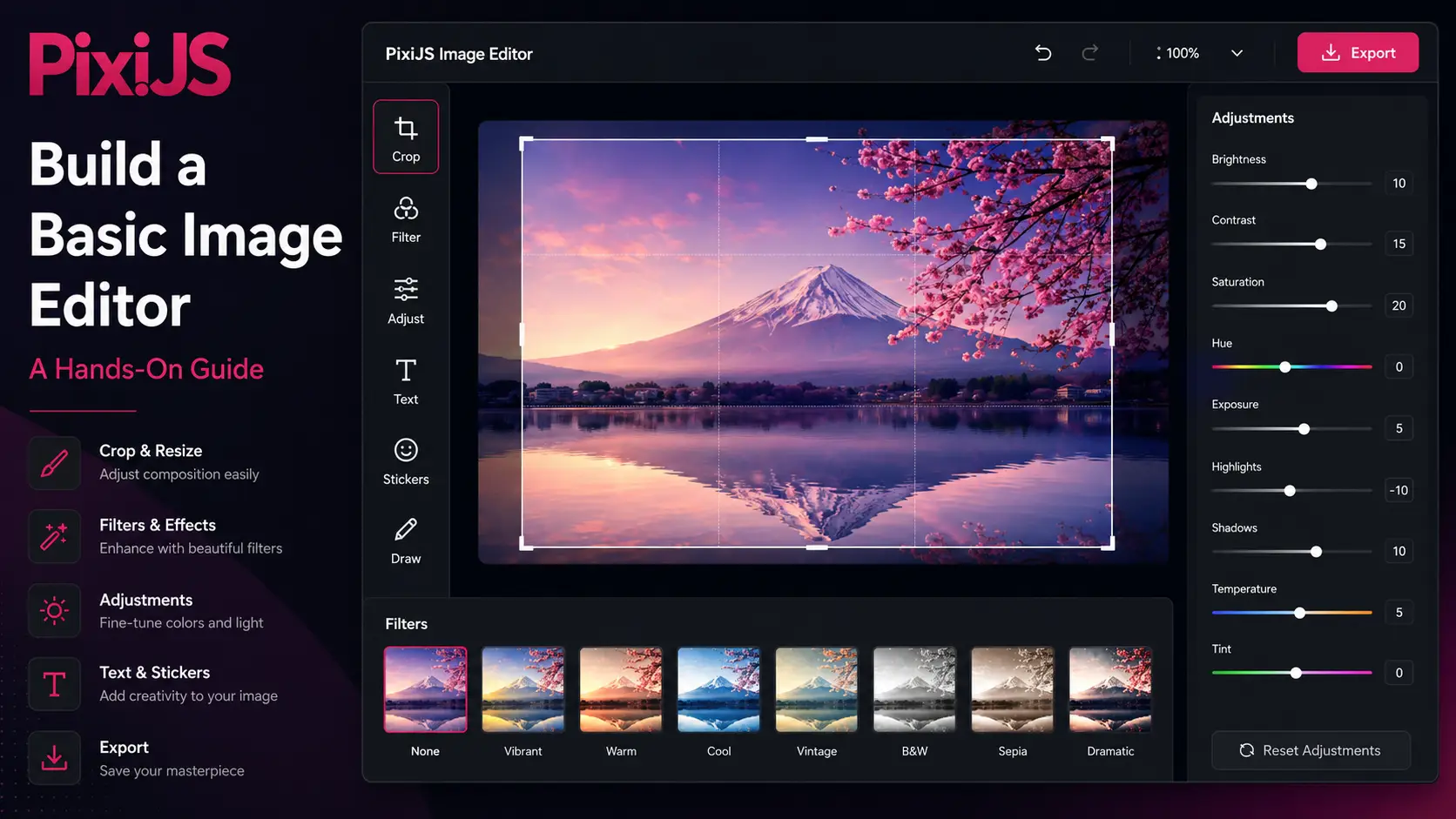
Build a Basic Image Editor with PixiJS: A Hands-On Guide
Learn how to build a real image editor with PixiJS v8 — load images, adjust brightness and contrast, apply blur, crop with masks, and export your work.